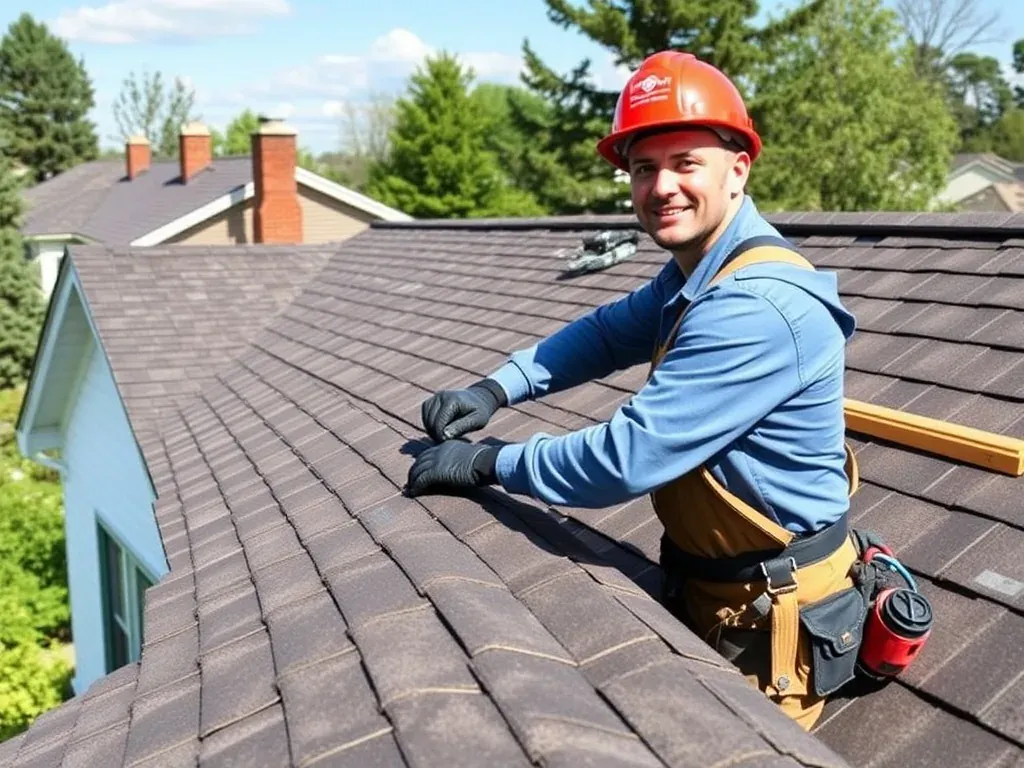
A full replacement starts with a tear-off down to the roof deck, because overlaying new shingles over old ones traps heat and hides rot. Our crew strips every course, stages a dumpster in the driveway, and hauls debris out the same day.
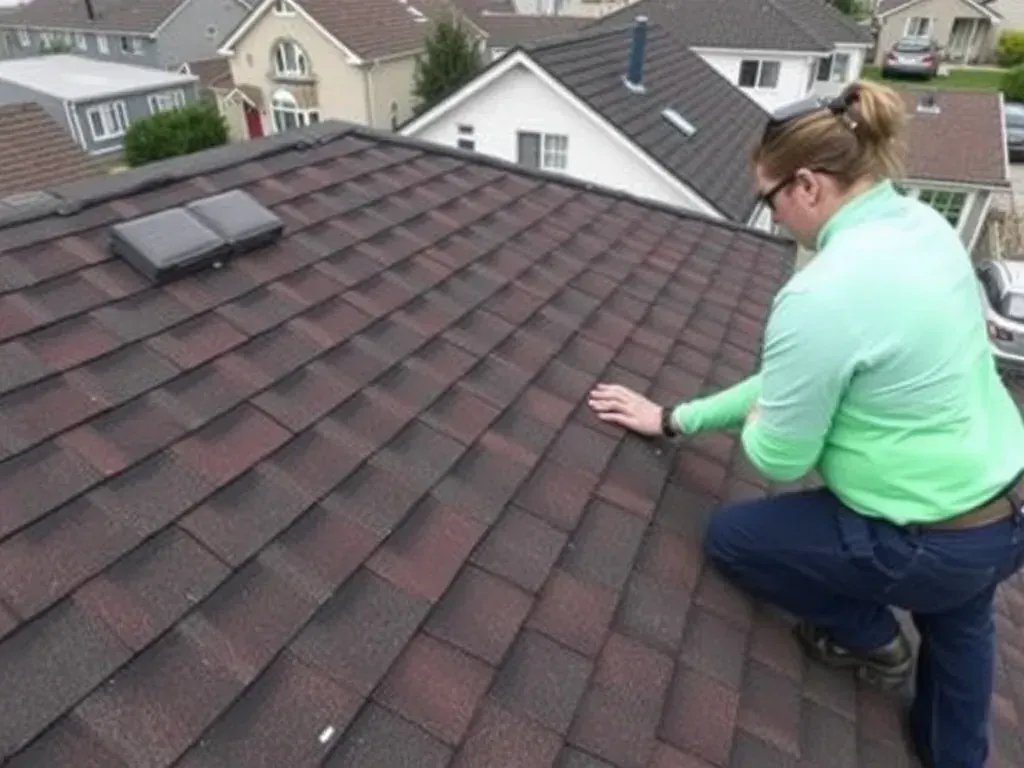
Once the deck is bare, we walk it with a pry bar and look for soft spots. Rotted plywood or OSB gets cut out and replaced. Anywhere the sheathing flexes underfoot gets new fasteners, and the nail gun runs at the right depth so nothing is overdriven.
Then comes synthetic underlayment across the field and ice-and-water shield along the eaves and valleys. That membrane is what stops ice dams from backing water up under the shingles during a February freeze.
Architectural shingles such as GAF Timberline, Owens Corning Duration, or CertainTeed Landmark hold up better than three-tab against the wind uplift we get off the river. We register the manufacturer warranty in your name before we leave.
Drip edge goes on the rakes and eaves first, then step flashing and counter-flashing at every sidewall and chimney. Ridge caps and ridge vents close the top so ventilation pushes humid summer air out of the attic instead of letting it decay the sheathing.
Fascia and soffit get checked while we are already up there. If the gutter is pulling away from the roofline, we flag it before it rips the drip edge loose and opens a path for water intrusion.
On Trenton's Victorian rowhomes from the 1800s and its mid-century bungalows, pitch matters more than shingle choice to the final price. Steep roofs, dormers, skylights, and parapet walls all add flashing labor and ladder time. Post-war twin homes share a roofline with a neighbor, which changes how we sequence the tear-off.
Every job is fastened to the local building code and inspected before we file the paperwork. Call 877-909-0534 for a free roof estimate and a written scope.